If you’re selling on Shopee Singapore in 2026, you’ve probably noticed something uncomfortable: the fees are pretty high.
It used to be small increases. A fraction of a percent here, a new service charge there. Easy enough to absorb. But lately, the rises have been bigger and more frequent. And for many sellers in Singapore, the maths just isn’t working like it used to.
So what’s actually happening with Shopee’s fees? How are merchants coping? And at what point does it make more sense to start selling from your own online store instead?
Want To Know How Much You Keep From Each Shopee Order?
How we got here
When Shopee launched in 2015, zero or low seller fees were a big part of why merchants signed up. There were no listing fees or commissions initially, and when they did start, the fees barely moved for years, going up by maybe 0.5% to 1% annually. The platform was focused on growing its user base, and keeping sellers happy was part of that strategy.
That changed in 2024. Shopee started raising fees much more aggressively across Southeast Asia. According to Bloomberg, commissions in many markets went up by roughly a third in a single year. Cube Asia, an e-commerce research firm, found that total selling fees in some countries jumped by up to 10 percentage points within just 12 months.
And the increases didn’t stop there. In early 2025, Shopee raised commission rates again in Malaysia and Singapore. Cross-border seller commissions in Singapore hit a flat 14%. In Malaysia, they went from 16.2% to 18.36%. Then in late 2025, Shopee announced an additional 5% technical support fee rolling out across Singapore, Malaysia, Thailand, and Vietnam starting February 2026*.
* Applies to overseas sellers selling to SG customers only
The pattern is clear. Shopee spent years subsidising growth. Now, it’s recouping that investment by charging sellers more.
What Shopee Singapore fees look like in 2026
Let’s look at the numbers for a local Singapore seller as of January 2026.
We will use an example of a local seller who sells a skincare product.
For non-mall sellers in this category, the base commission rate is 7.63% with no capped limits. That’s if you’re in the Coins Cashback Programme. If you’re not, the rate jumps to 11.99%.
Table 1: Shopee Commission Fees for non-mall sellers
| Non-Mall Seller Type | Product Category | Sub-Category | Coins Cashback Programme Local Non-Mall Sellers |
Non-Coins Cashback Programme Local Non-Mall Sellers |
|---|---|---|---|---|
| Electronics | Mobile & Gadgets | Mobile Phones, Tablets | 7.63% capped at $30 | 9.81% capped at $30 |
| Cameras & Drones | Lenses, Cameras, Drones | |||
| Computers & Peripherals | Desktop Computers, Laptops | |||
| Computers & Peripherals | Desktop & Laptop Components, Printers & Scanners, Softwares | 11.99% capped at $30 | ||
| Gaming & Consoles | Console Machines, Video Games | |||
| All Other Electronics Sub-categories | 7.63% no cap | |||
| Non-Electronics | Food & Beverages | Alcoholic Beverages | 9.81% no cap | |
| Toys, Kids & Babies | Diapering & Potty, Milk Formula & Baby Food | 11.99% no cap | ||
| Pets | All Pet Sub-categories | |||
| All Other Non-Electronics Sub-categories | ||||
For mall sellers, the rates are higher. Skincare products would get hit with 15.26% commission. Mobile and gadgets would be 10.92% (capped at $80). Cameras and drones are at 11.99%.
Table 2: Shopee Commission Fees for mall sellers
| Mall Seller Type | Product Category | Sub-Category | Coins Cashback Programme Local Mall Sellers |
Non-Coins Cashback Programme Local Mall Sellers |
|---|---|---|---|---|
| Electronics | Mobile & Gadgets | Mobile Phones, Tablets | 8.72% capped at $80 | 10.90% capped at $80 |
| Cameras & Drones | Lenses, Cameras, Drones | 9.81% capped at $80 | 11.99% capped at $80 | |
| Home Appliances | Large Household Appliances | 8.72% capped at $80 | 13.08% capped at $80 | |
| Computers & Peripherals | Desktop Computers, Laptops | 8.72% capped at $80 | 10.90% capped at $80 | |
| Desktop & Laptop Components, Printers & Scanners, Softwares | 10.90% capped at $80 | 13.08% capped at $80 | ||
| Gaming & Consoles | Console Machines, Video Games | 10.90% capped at $80 | 13.08% capped at $80 | |
| All Other Electronics Sub-categories | 10.90% capped at $80 | 15.26% capped at $80 | ||
| Non-Electronics | Food & Beverages | Alcoholic Beverages | 10.90% no cap | 13.08% no cap |
| Toys, Kids & Babies | Diapering & Potty, Milk Formula & Baby Food | 13.08% no cap | ||
| Pets | All Pet Sub-categories | 13.08% no cap | ||
| All Other Non-Electronics Sub-categories | 15.26% no cap | |||
But commission fees are only part of the picture. On top of that, you pay:
- A transaction fee of 3.27% of gross settlement
- A service fee of up to 5.45% if you’re in the Coins Cashback Programme
- And this doesn’t include other fees such as AMS fee of 10% of purchase value if you’re running Shopee ads
Stack all of these together and it adds up fast.
A worked example
Let’s say you list a skincare product at $110. After offering a $10 seller discount and a $10 seller voucher, the purchase value is $90.
Here’s what gets deducted for a non-mall seller that is participating in coins cashback:
| Fee | Amount |
|---|---|
| Commission (7.63% no cap) | -$6.87 |
| Coins cashback service Fee (5.45% capped at $30) | -$4.91 |
| Transaction Fee (3.27%) | -$2.94 |
| Total Deducted | -$14.72 |
| Final Payout | $75.29 |
That’s $14.72 in fees on a product that is valued at $110 (before discounts). Or about 16.4% in fees.
For many sellers, especially those working with thin margins on everyday products, that’s a hard number to swallow.
Want To Know How Much You Keep From Each Shopee Order?
How sellers are fighting back
Merchants aren’t just sitting there watching their profits shrink. Here’s what many are doing to cope.
Raising prices
This is the most obvious move. When fees go up by 3% to 5%, the simplest response is to increase your selling price by the same amount.
The problem? Shopee is an intensely competitive marketplace. Buyers can compare prices across dozens of sellers in seconds. If you raise your price even slightly above similar listings, the algorithm may push you further down the search results. So you end up in a tricky spot: absorb the cost and make less money, or raise the price and risk losing visibility.
For sellers in competitive categories like phone accessories or household items, there’s often very little room to move.
Pushing bundles and higher minimum orders
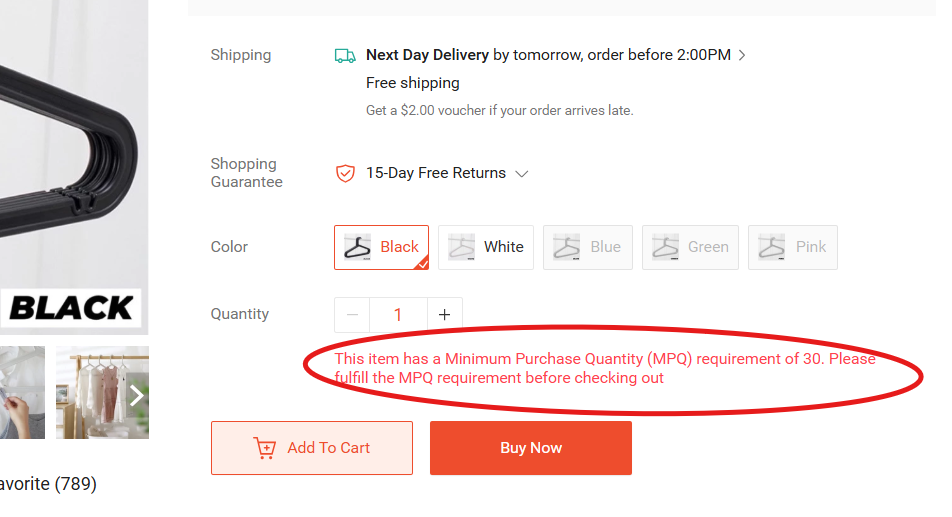
A smarter approach that many sellers are turning to is bundling. Instead of selling a single item for $8 (where the per-order costs might eat up all the profit), sellers create two-packs, three-packs, or bundle sets at a slight discount.
For example, if you sell cleaning cloths for $6 each, you might create a listing for a pack of three at $15. The buyer feels like they’re getting a deal. You get a higher average order value, which spreads the fixed costs across more items. Shopee’s percentage-based fees still apply, but your overall unit economics improve.
Some sellers have restructured their entire catalogue around bundles, removing single-unit options altogether for their lowest-margin products.
Opting out of expensive programmes
The Coins Cashback and Free Shipping programmes give your products more visibility. But they also add 3% to 5% in service fees on top of everything else.
Smart sellers are doing the maths product by product. For high-margin items, the extra visibility might be worth the cost. For low-margin items, it often isn’t. Rather than applying these programmes across the board, more sellers are being selective about which products to enrol.
Sitting out major sales events
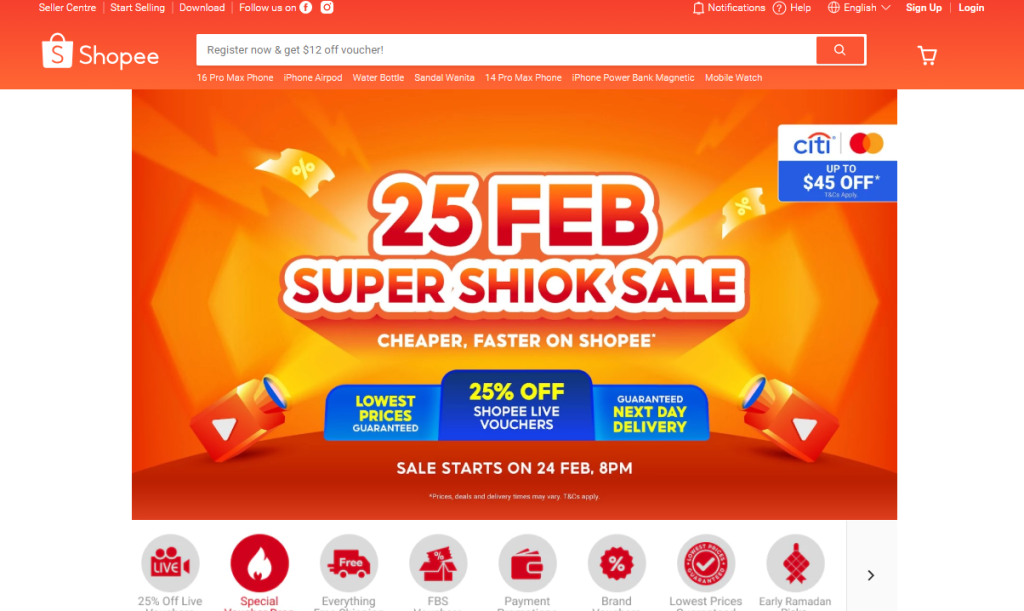
During 11.11 and 12.12 mega sales, Shopee often expects sellers to co-fund vouchers or offer mandatory discounts to participate. The promised traffic spike is real, but so is the margin hit.
A growing number of sellers are choosing to skip these events entirely. They’d rather maintain their margins on steady, everyday sales than sell at a loss during a frenzy.
Cutting costs everywhere else
With fees eating more and more of each sale, sellers are looking inward to trim costs. This includes automating customer service, negotiating better rates with suppliers, using cheaper packaging, and consolidating shipments.
Spreading sales across multiple platforms
Rather than relying on Shopee alone, merchants are listing products on Lazada, TikTok Shop, and other platforms. The fees might be high everywhere, but at least you’re not entirely dependent on one platform’s algorithm changes and policy updates.
The bigger question: should you build your own store?
All of the strategies above share one thing in common. They’re about surviving within a system you don’t control.
You can’t set the commission rate. You can’t decide how the algorithm ranks your products. You can’t control when Shopee changes its policies or rolls out the next fee increase. You’re a tenant, and the landlord keeps raising the rent.
This is why more sellers are starting to think seriously about having their own e-commerce store.
The cost difference is significant
On Shopee, total platform fees can take 15% of your revenue, before advertising. On your own WooCommerce store, you pay for hosting (typically $20 to $50 a month) and payment processing fees, if any. There’s no commission on sales.
And here’s where it gets even better. If you’re based in Singapore, you can accept PayNow as a payment method, which has little to no transaction fees for businesses. Compare that to the 3.27% transaction fee on Shopee, and the savings are obvious.
With a plugin like SGPayNowQR for WooCommerce, you can generate a PayNow QR code automatically at checkout. Customers scan it with their banking app, the exact amount and order number are already filled in, and the money goes straight into your account. No percentage cut. No middleman.
You get to own the customer relationship
On Shopee, the customer belongs to Shopee. You can’t email them. You can’t retarget them outside the platform. You can’t even include a flyer in your package without risking a policy violation.
On your own store, every customer’s email address, purchase history, and browsing behaviour is yours. You can send them a follow-up message after they buy. You can offer them a discount on their next order. You can build a loyalty programme. You can turn one-time buyers into regulars.
This is how you build a real business, not just a seller account on someone else’s platform.
You control your brand
On Shopee, your store is one of thousands, displayed under Shopee’s branding. On your own site, the customer is shopping with you. Your design, your packaging, your checkout flow, your customer service over WhatsApp or email. Everything reinforces your brand, not someone else’s.
The trade-off is traffic
But let’s be honest about the downside. Shopee brings in millions of buyers to your listings. Your own website brings nobody until you put in the work to drive traffic through SEO, social media, content marketing, and word of mouth.
But here’s the key difference. Money you spend marketing your own store builds your brand. An email list you build on your own site is yours. Organic search rankings you earn stick around even when you stop spending. On Shopee, the moment you stop paying for ads, your visibility drops to zero.
You don’t have to choose one or the other
The smart approach isn’t to abandon Shopee overnight. It’s to stop relying on it as your only sales channel.
Use Shopee for what it’s good at: reaching new customers and generating volume. But start building your own WooCommerce store alongside it. Set up PayNow as your primary payment method using SGPayNowQR to keep your transaction costs close to zero. Gradually shift your most loyal customers to buying directly from your site.
The merchants who will do well in the next few years are the ones who see Shopee for what it is: a useful channel, not the entire business. The fees will keep going up. The rules will keep changing. But if you’ve got your own store running alongside it, those changes become an inconvenience rather than a crisis.